
Self-care ideas for mental health help reduce stress and improve emotional balance. Simple activities like journaling or gentle exercise support overall well-being.
The National Council on Aging reveals that nearly 15% of older U.S. adults over 50 have some type of mental health disorder. The number of older adults with mental health issues will double by 2030.
Providing the proper mood support for seniors can help prevent worsening symptoms. Encouraging daily routines and meaningful activities promotes emotional resilience.
Family and emotional health support creates opportunities for gentle care and encouragement. Learn more mental wellness tips for promoting emotional health in Clinton, IA, below.
What Are Effective Self-Care Ideas for Mental Health That Families Can Support?
Effective self-care ideas for mental health start with simple daily habits. Journaling helps organize thoughts and reduce tension.
Gentle exercise supports mood and creates steady energy. Deep breathing routines lower stress and improve focus.
Creative hobbies spark motivation and encourage emotional expression. Quiet time outdoors rebuilds clarity and eases mental fatigue.
Family members can offer reminders that feel supportive. Conducting small check-ins creates comfort and builds connection.
Encouraging consistent routines strengthens stability and fosters confidence. Shared activities help families stay close.
Daily engagement builds connection and support. Doing so reinforces more positive habits each day.
How Can Family Involvement Improve a Loved One's Daily Mental Wellness?
According to AARP, there are now 63 million family caregivers in the U.S. This represents a 45% increase over the last 10 years.
Family involvement plays a big role in encouraging independence. Collaborative decision-making helps loved ones feel cared for and respected.
Meaningful social interaction reduces feelings of isolation. Sharing simple tasks supports cognitive engagement.
Family presence motivates participation in new experiences. Gentle reminders maintain healthy habits.
Celebrating small successes reinforces self-worth. Consistent encouragement builds emotional resilience. Daily connection improves mood.
Active listening strengthens trust. Regular support promotes confidence. Small, meaningful interactions create a positive routine.
Engagement from family enhances overall mental wellness each day.
Which Activities Help Seniors Manage Stress and Anxiety?
The American Association for Geriatric Psychiatry (AAGP) reports that 10% to 20% of U.S. adults 65 and older experience clinical levels of depression. However, this condition is commonly overlooked in the elderly.
Seniors can manage stress and anxiety with simple, calming activities. Some examples of stress-relieving activities include:
- Walking
- Painting
- Listening to music
- Gardening
- Journaling
- Playing cards
Walking helps reduce tension and enhance mental focus, while painting promotes creativity, concentration, and emotional expression.
Listening to music encourages relaxation and calm. Gardening offers purpose and a rewarding sense of accomplishment.
Journaling helps organize thoughts and build clarity. Playing cards strengthens social interaction and connection.
Daily engagement in enjoyable activities builds routine and structure. Choosing tasks they love boosts motivation and keeps them involved.
How Can Small Daily Routines Boost Emotional Balance at Home?
Establishing small daily routines helps seniors feel secure. Predictable routines help maintain emotional balance.
Taking the time for a morning tea or coffee provides a calming start to the day. Completing household chores creates a feeling of purpose.
Scheduling short walks in the yard encourages movement. Setting aside time for simple crafts promotes focus.
Daily reading or listening to audiobooks stimulates the mind. Evening stretches relax muscles and calm nerves.
Following consistent sleep schedules improves rest. Making phone calls with friends maintains connections. Gratitude exercises foster positivity.
Completing small tasks builds confidence. This leads to a sense of accomplishment.
What Simple Habits Make a Meaningful Difference in Mental Health?
Simple habits can have a big impact on aging and connection in senior mental health.
Drinking enough water supports focus and energy. Eating balanced meals stabilizes mood.
Taking short breaks during the day reduces stress. Keeping a consistent sleep routine improves rest.
Gentle stretching or movement boosts circulation and alertness. Practicing deep breathing calms the mind.
Writing down thoughts encourages reflection and emotional clarity. Spending a few minutes outdoors provides fresh air and sunlight.
Limiting screen time helps reduce anxiety. Listening to music can lift spirits.
Connecting briefly with friends or family supports emotional well-being. Small, daily actions create lasting mental stability.
How Can Families Create Supportive Environments for Lasting Well-Being?
Families can create supportive environments by fostering trust. Clear communication helps everyone feel valued.
Encouraging independence allows loved ones to make their own choices. Setting predictable routines reduces stress and creates stability.
Providing opportunities for hobbies keeps the mind active. Offering healthy meals supports physical and mental health.
Designating quiet spaces promotes relaxation. Celebrating attainable achievements reinforces self-worth. Consistent emotional support strengthens resilience.
Taking part in shared activities builds connection. Open discussions about feelings encourage understanding. Using positive feedback motivates effort.
A nurturing environment enhances confidence. Gentle care and encouragement promote well-being and a sense of security.
Frequently Asked Questions
How Do Mindfulness Practices Benefit Older Adults' Mental Health?
Mindfulness practices help older adults reduce stress and anxiety. Focused breathing improves concentration.
Meditation enhances calm and emotional balance. Body scans increase physical self-awareness. Mindful walking promotes relaxation and alertness.
Reflective journaling supports clarity. Regular practice strengthens resilience and patience.
Using mindfulness fosters a greater sense of control and well-being.
What Are the Signs a Loved One May Need Extra Emotional Support?
Recognizing when a loved one needs extra emotional support starts with noticing changes. Mood swings can frequently appear along with persistent sadness or worry.
Seniors may begin avoiding social activities and withdrawing from friends. Interest in hobbies may fade. Sleep and appetite patterns can shift.
Observing these signs helps families provide timely support.
How Can Families Encourage Healthy Sleep Habits?
Families can encourage healthy sleep by keeping consistent bedtimes. Limiting caffeine and heavy meals in the evening supports rest.
Creating a calm bedroom promotes relaxation. Gentle evening routines signal winding down.
Reducing screen time before bed improves sleep quality. Offering reassurance helps older adults feel secure at night.
Discover Compassionate Senior Living at Addington Place of Clinton, IA, Today
Self-care ideas for mental health provide practical ways to reduce stress and support emotional balance. Engaging in enjoyable activities encourages calm and improves focus. Having consistent family support strengthens connections and helps build confidence and resilience over time.
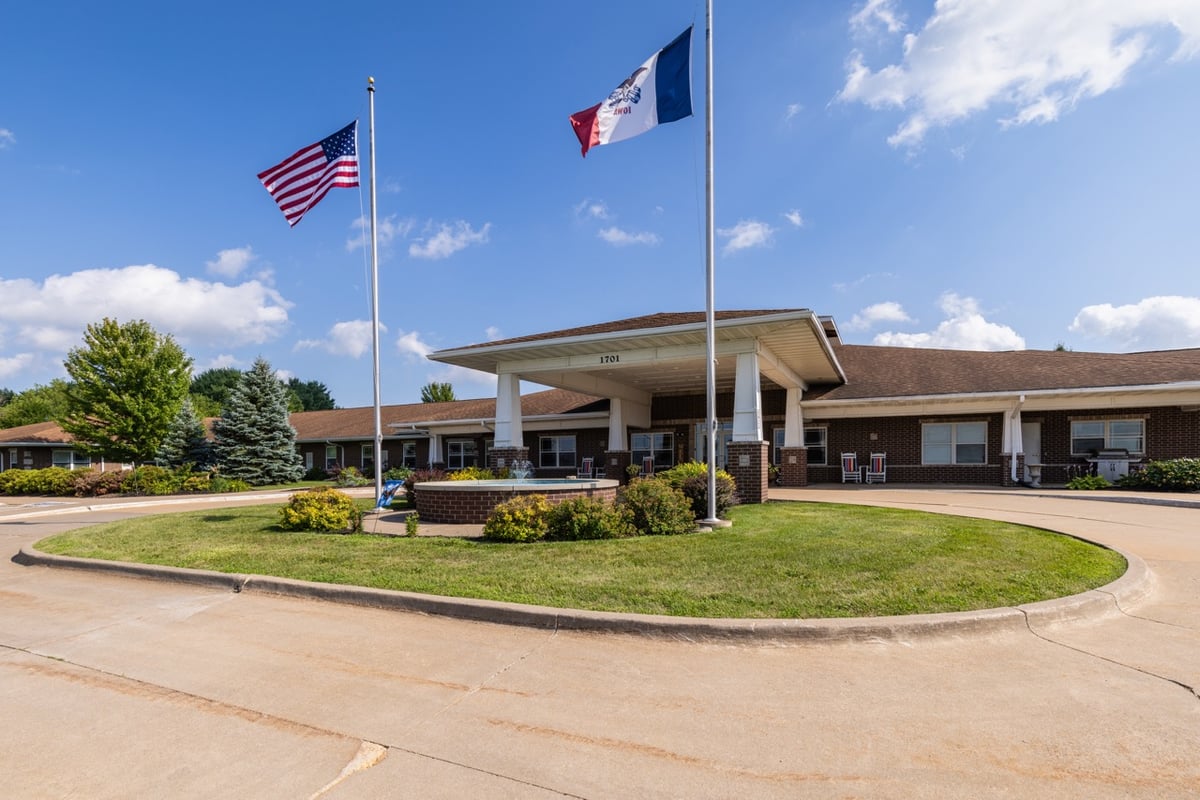
Addington Place of Clinton, located in Clinton, IA, offers Assisted Living and Memory Care support. Our services and amenities provide personalized care and comfortable living spaces designed for safety and independence. We offer programs that encourage engagement and support residents' well-being every day.
Contact Addington Place of Clinton to schedule a community tour with us or to request more information today.