
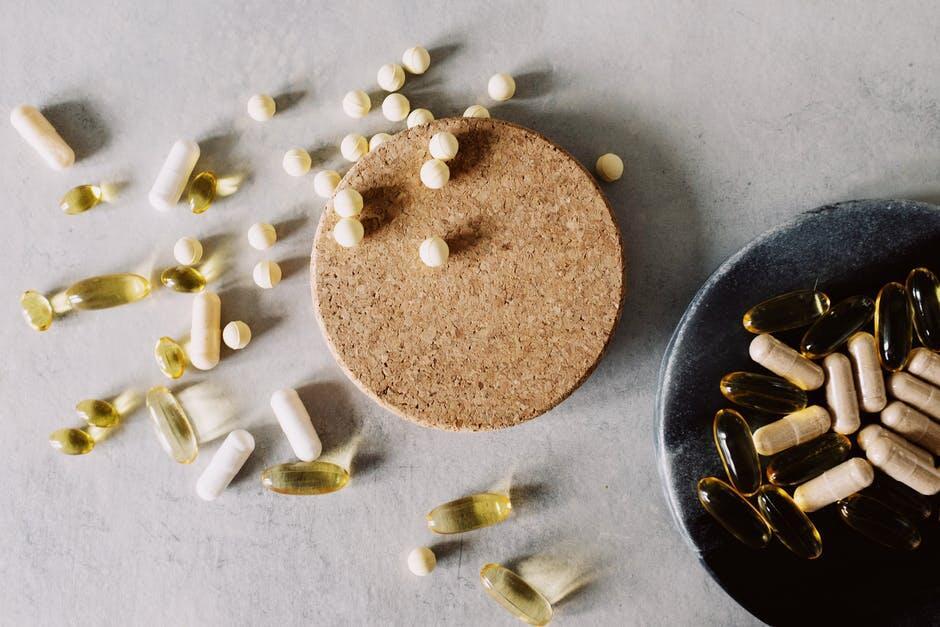
Fiber supplement use can help older adults support digestion, energy, and daily comfort when food alone does not meet fiber needs. The right balance and timing matter because too much or poorly timed fiber can cause discomfort instead of relief. When used correctly, fiber supplements can support regular digestion and steady energy as the body changes with age.
According to the Academy of Nutrition and Dietetics, 95 percent of Americans fall short of the recommended daily fiber intake, which can affect digestion, hunger, and cholesterol levels. This gap is even more common later in life, when appetite, taste, and routine often shift.
Clinton, Iowa, is a close-knit river town where many older adults value simple routines and steady days. Check out these nutrition tips for seniors and make small changes that support comfort and confidence.
What Are the Benefits of Fiber Supplements for Seniors?
Older adults often face challenges like constipation, slow digestion, or blood sugar swings. These are often signs of low fiber intake. A fiber supplement can help regulate bowel movements and make meals feel more satisfying.
Dietary fiber benefits also play a role in weight balance and cholesterol control. Some types of fiber can help slow down how the body absorbs sugar, which may help boost energy levels.
For seniors in assisted living, improved digestion can make meals and daily routines more comfortable. According to Medicare.org, fiber also supports heart health and blood sugar balance.
What Are the Main Types of Fiber?
There are two types of fiber:
- Soluble fiber dissolves in water and forms a gel-like texture in the gut.
- Insoluble fiber does not dissolve and helps move food through the system.
Both types are important for aging and energy, but they work in different ways. Soluble fiber often supports blood sugar and cholesterol. Insoluble fiber mainly helps with bowel movement regularity.
Psyllium Husk
Psyllium is a popular soluble fiber. It absorbs water and swells, making stools softer and easier to pass. It is found in products like Metamucil and can be taken as a powder or capsule.
Methylcellulose-Based
Methylcellulose is a synthetic form of fiber. It's non-fermentable, which means it causes less gas and bloating for some people.
This fiber adds bulk to stool but stays smooth in the digestive tract. Citrucel is a well-known methylcellulose product used by many seniors.
Inulin and Prebiotic Fiber
Inulin is a plant-based fiber that also acts as a prebiotic. This means it feeds the good bacteria in your gut. It is found in some powders and nutrition bars designed for seniors.
Wheat Dextrin and Other Soluble Fibers
Wheat dextrin is easy to mix into drinks or food. It's gentle on the stomach and helps with regularity. Products like Benefiber use wheat dextrin to provide soluble fiber support.
How To Safely Use Fiber Supplements for Seniors
Talk to a healthcare provider before starting a new supplement, especially if you take medications. Some fiber types can affect how drugs are absorbed.
Always drink plenty of water when using a fiber supplement. Without enough fluids, fiber can harden and cause more problems.
Start with small doses to reduce the chance of gas or bloating. Harvard experts recommend gradual changes when adding fiber to your diet.
What is the Best Fiber Supplement for Seniors?
Choosing the right product depends on how your body responds and what your health goals are. Some brands are better for cholesterol, while others focus on gut comfort.
Metamucil
Metamucil contains psyllium husk, which supports both heart and digestive health. It's widely used and available in powders, capsules, or wafers.
Citrucel
Citrucel uses methylcellulose, which is easier on sensitive stomachs. It's a good choice for those who experience gas with other fibers.
Thorne FiberMend
This option combines soluble fiber with prebiotics. It helps support gut bacteria while easing digestion. This powder mixes easily into water or soft foods.
Benefiber
Benefiber contains wheat dextrin and dissolves completely in liquid. It's flavorless and can be added to coffee, water, or soups. It's simple to use and often feels invisible during meals.
Frequently Asked Questions
What Is the Best Form of Fiber to Take?
The best form depends on your needs:
- Psyllium-based supplements like Metamucil are often best for managing cholesterol or blood sugar.
- Try methylcellulose or wheat dextrin for gentle digestive support.
- Inulin can improve gut health through prebiotic support.
Is It Okay to Take Fiber Supplements Daily?
Yes, most fiber supplements are safe for daily use when taken as directed. It is important to drink enough water and follow the instructions on the label. Seniors should also monitor how their body reacts over time and adjust the dosage if needed.
What Are the Signs of a Fiber Deficiency?
Signs of low fiber include:
- Hard stools
- Constipation
- Frequent hunger
- Blood sugar spikes
- Sluggish feeling
- Stomach discomfort
Long-term lack of fiber can also lead to more serious issues like heart problems or high cholesterol.
What Foods Are High in Fiber for the Elderly?
Foods high in fiber are great for gut health and aging. These include:
- Oats
- Beans
- Pears
- Apples
- Carrots
- Whole wheat bread
Cooked vegetables and soft fruits are good for those with sensitive teeth. Many seniors also benefit from adding ground flax or chia seeds to meals. WebMD reports that seniors need 22 to 28 grams of fiber per day.
Is There a Downside to Taking Fiber Supplements?
Some people feel bloated or gassy when first starting a fiber supplement. Others may experience cramps if they take too much too fast. Drinking too little water can make symptoms worse.
Starting slow and staying hydrated can help reduce side effects. Community wellness programs at Addington Place of Clinton can support proper nutrition habits as part of daily living.
Healthy Balance Starts With the Right Senior Digestive Support
Using a fiber supplement can be a simple way for seniors to feel more balanced and comfortable every day. Fiber plays a key role in digestion and hunger management, especially during the aging process.
At Addington Place of Clinton, every day is designed to promote well-being. Residents here enjoy fresh dining options in the elegant dining room, group fitness, and easy access to a welcoming community lifestyle in Clinton, IA.
Experience how small health changes like fiber use can support a fuller, more enjoyable life. Contact us to learn more about life at Addington Place of Clinton.